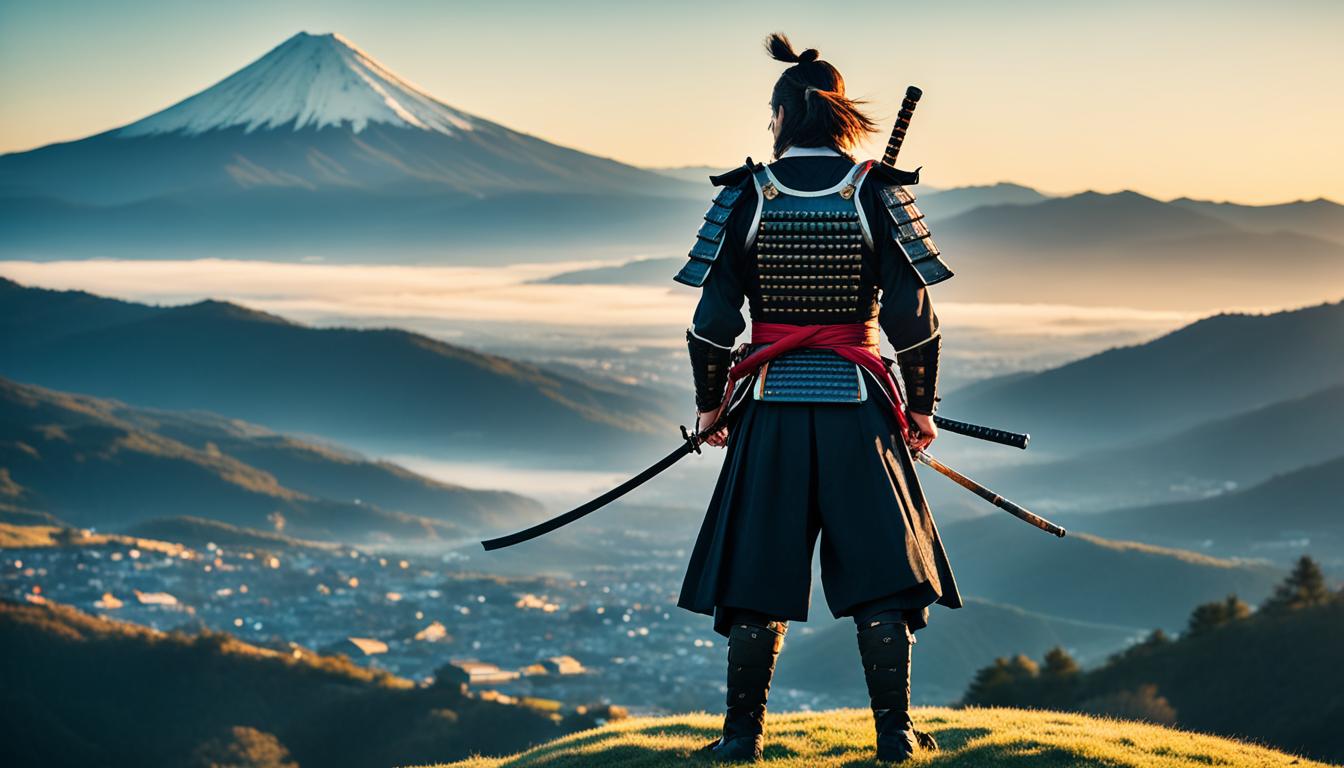
The samurai, Japan’s iconic warrior class, have always fascinated people worldwide. Their history, discipline, and influence on Japanese culture are key reasons why they are a symbol of Japan. This article looks into the samurai’s cultural importance. It covers their origins, the Bushido code, and their impact on art, literature, and today’s popular culture.
The samurai tradition is a big part of Japan’s history and identity. It has shaped the country’s politics, military, and social life for many years. The warrior class and the Bushido code, which values honor, loyalty, and martial skill, have deeply influenced Japanese society.
The samurai also had a big impact on Japan’s culture and art. Their love for beauty, literature, and personal growth is seen in samurai-inspired art, poetry, and philosophy. Their legacy still inspires many, from movies to video games, around the world.
As Japan faces the challenges of a changing world, the samurai’s cultural importance stays strong. They symbolize discipline, honor, and Japan’s rich heritage. This article dives into why samurai culture is still so captivating. It looks at its historical background, its effects on Japanese society, and its ongoing importance today.
Introduction: The Enduring Fascination with Samurai Culture
The samurai have always caught the world’s eye, thanks to their history and warrior traditions. Their story is a key part of Japanese cultural heritage. This fascination with samurai knows no borders, sparking art, literature, and media that try to bring these heroes to life.
The samurai’s code of honor, their sword skills, and loyalty are at the core of their legend. These traits symbolize discipline, courage, and dedication. They inspire people all over the world. The samurai’s legacy lives on, offering a peek into a past era that still influences today’s Japan and other cultures.
Origins and Evolution of the Samurai Warrior Tradition
The samurai, Japan’s famous warriors, started in the 10th century. They became key players in Japan’s politics, known for their military skills and social influence. Their history is linked to warrior traditions and values that shaped their lives.
The Emergence of the Samurai Class
The samurai class grew from the need for skilled fighters to protect the land and its leaders. At first, they came from the aristocracy, known for their loyalty and bravery. Later, more people joined, drawn to the warrior life and the bushido code.
The Bushido Code: Principles and Values
The bushido code was central to the samurai’s identity. It taught them about loyalty, honor, and martial arts mastery. Their commitment to these values and their skill with weapons like the katana made them respected in Japanese history.
The samurai class and the bushido code show the deep warrior traditions in Japan. These stories still fascinate people worldwide, showing the lasting impact of the samurai origins on Japanese society.
The Samurai’s Role in Shaping Japanese Society
The samurai were more than just skilled warriors. They played a key role in shaping Japan’s politics and society. Their impact on governance, military strategy, and culture is clear.
Political and Military Influence
In feudal Japan, the samurai were the ruling class. They advised the shogunate, the military government that ruled for centuries. Their military skills and strategies helped shape Japan’s policies at home and abroad.
Their military skills and strategies greatly influenced Japan’s defense and growth. They created advanced tactics and weapons that gave Japan an edge in battles with other countries. The bushido code, their ethical and martial code, taught discipline, honor, and loyalty. This code affected the military and government deeply.
The samurai also left a mark on Japanese culture. Their love for arts like calligraphy, poetry, and the tea ceremony helped shape a refined Japanese culture. Their influence is seen in Japan’s architecture, fashion, and food.
Today, the samurai’s legacy still affects modern Japanese society. It’s seen in Japan’s strong national identity and its values of discipline, honor, and respect for tradition. The ongoing interest in the samurai shows their lasting impact on Japanese culture and society.

Samurai Culture: Art, Literature, and Aesthetics
The samurai’s impact went far beyond fighting. They left a lasting mark on art, literature, and beauty. Their code of honor, respect for nature, and love for beauty showed in their art and writing.
The samurai’s art shows their skill and love for beauty. They created delicate calligraphy and brush paintings. Their swords and armor show their eye for detail and perfection.
Their literature is also very important. Works like the Hagakure and the Tale of the Heike tell us about their beliefs and duties. These stories help us understand the Japanese aesthetics they valued.
The samurai’s culture still inspires people today. Their art and literature are loved worldwide. They have become a key part of Japan’s heritage, teaching us about their values.
The Samurai’s Legacy in Modern Japan
The samurai’s impact is still felt in today’s Japan. The country is working hard to keep its cultural heritage alive. The samurai’s story is a big part of Japan’s identity. It shapes how Japan is seen worldwide and makes its people proud.
Preserving Traditions and Cultural Identity
The art of swordsmanship and the beauty of Japanese gardens are just parts of the samurai’s legacy. The government and cultural groups work to keep these traditions alive. They make sure the samurai spirit stays with us.
Historic samurai homes are now UNESCO World Heritage sites. Traditional martial arts schools get funding. Samurai-themed movies, anime, and games also keep the samurai’s legend alive.
By holding onto the samurai’s legacy, Japan keeps its culture unique in a global world. This effort honors Japan’s history and shapes how the world sees modern Japan.
Cultural Significance Beyond Japan’s Borders
The samurai’s story has reached far beyond Japan, touching hearts worldwide. People all over the globe admire this legendary warrior class. Their impact is seen in martial arts and popular media, showing their lasting influence.
Samurai Global Influence and Appreciation
Outside of Japan, the samurai stand for discipline, honor, and striving for the best. Their mark on the world’s culture is clear, with their martial arts loved and respected everywhere. In movies and books, the samurai’s story is everywhere, proving their lasting popularity and respect.
The samurai’s influence goes way beyond fighting and movies. Their style, thoughts, and art have won over people everywhere. This has sparked a new love for Japanese culture and its traditions. The samurai inspire and shape people from all walks of life, making them global cultural icons.
The Samurai as a Symbol of Discipline and Honor
The samurai symbolize discipline, honor, and the warrior spirit. These values have moved beyond their historical roots and now touch many parts of today’s culture. Their strict code, Bushido, has shaped how we see leadership, personal growth, and aiming for the best.
The samurai’s disciplined life and training inspire those wanting to improve self-control and resilience. Their honor and loyalty have become symbols for ethics and integrity in many areas.

The samurai’s leadership style is also studied for its effectiveness. They were known for quick decisions, staying calm in tough situations, and putting the group first. This approach to leadership is admired and studied widely.
As interest in samurai culture grows, their legacy reminds us of lasting values. These values encourage us to aim high and live with integrity.
Culture: Exploring the Samurai’s Enduring Cultural Impact
The samurai’s legacy goes far beyond their fighting skills. They have shaped Japanese traditions and left a lasting mark on global culture. Their influence is seen in art, literature, and aesthetics that have won the hearts of people everywhere.
Their work in calligraphy and swordsmithing is stunning. The Bushido code, their deep philosophical teachings, is also a big part of their cultural impact.
In Japan, the samurai’s legacy is still celebrated and kept alive. Traditional festivals, martial arts shows, and historic site preservation keep their spirit going. Their influence is also seen in Japan’s architecture, clothes, and food, making them symbols of Japanese culture worldwide.
Outside of Japan, the samurai’s cultural importance is also known. Their commitment to honor, discipline, and duty is seen as a symbol of moral strength. This has inspired people all over the world.
Their popularity in movies, books, and video games shows how much people still love them. This shows their lasting appeal and the world’s interest in their lifestyle.
The samurai’s cultural story keeps telling us about the strength of tradition and the human spirit. Their tale continues to move and inspire us. It shows how a single tradition can change the world.
The Samurai in Popular Culture and Media
The samurai’s story has won hearts around the world with their discipline, honor, and fighting skills. Their tale has been told in movies and books, making them symbols of Japanese culture.
Films: Bringing the Samurai to Life
Hollywood loves the samurai, making many films that show their honor and conflicts. Classics like “Seven Samurai” and “Yojimbo” are famous. New movies, such as “The Last Samurai” and “13 Assassins,” bring the samurai to new fans.
Books: Exploring the Samurai’s Storied Past
Books tell the samurai’s story in a powerful way. Novels like “Shogun” by James Clavell and “The Book of the Samurai” by Miyamoto Musashi show their world. They cover politics and the bushido code that ruled their lives.
Video Games: Immersing Fans in the Samurai’s Realm
Video games let fans live in the samurai’s world. Games like “Sekiro: Shadows Die Twice” and the “Yakuza” series let players feel the samurai’s life. They mix action with real historical facts.
These media forms keep the samurai’s story alive. They show how much this warrior class means to us, influencing popular culture deeply.
Samurai Tourism: Experiencing the Legacy Firsthand
For those eager to dive into the world of samurai, Japan is a treasure trove of experiences. It offers a deep dive into the traditions of these legendary warriors. You can explore historical sites, museums, and cultural events that showcase the samurai’s impact on Japan.
Kanazawa is a top spot for samurai enthusiasts. It has historical districts and samurai homes that are well-preserved. Visitors can walk through the Nagamachi Samurai District and see the restored homes. They can imagine the lives of these respected warriors.
The Kanazawa Castle and its Kenrokuen Garden are also must-sees. They show the grandeur and strategic value of these places during samurai times.
Japan also offers cultural experiences that make the samurai’s legacy come alive. At the Takayama Autumn Festival, you can see samurai costumes and performances. Museums like the Samurai Museum in Tokyo have exhibits and demos that teach about samurai life, their weapons, and martial arts.
For a hands-on approach, you can join workshops and classes. Learn swordsmanship, calligraphy, or traditional crafts. These activities give you a closer look at the samurai’s skills and their cultural importance.
If you love history, culture, or the samurai’s mystique, Japan has a lot to offer. Its samurai tourism options promise an experience you won’t forget. Dive into the world of samurai and discover the lasting charm of their culture in Japan.
The Future of Samurai Culture in a Globalized World
The world is getting more connected, and the samurai’s legacy is facing both ups and downs. This ancient warrior tradition needs to change and grow to stay relevant. Yet, its core values and principles are still loved by people all over the world.
Keeping the samurai’s cultural heritage safe is crucial for Japan. Efforts to boost samurai tourism, education, and the protection of historical sites are underway. These actions help keep the samurai spirit alive, inspiring future generations.
The future of samurai culture also depends on reaching people all over the world. Through media, art, and education, the samurai’s wisdom and discipline can touch hearts and minds globally. This helps spread a deeper understanding and love for this lasting cultural tradition.